
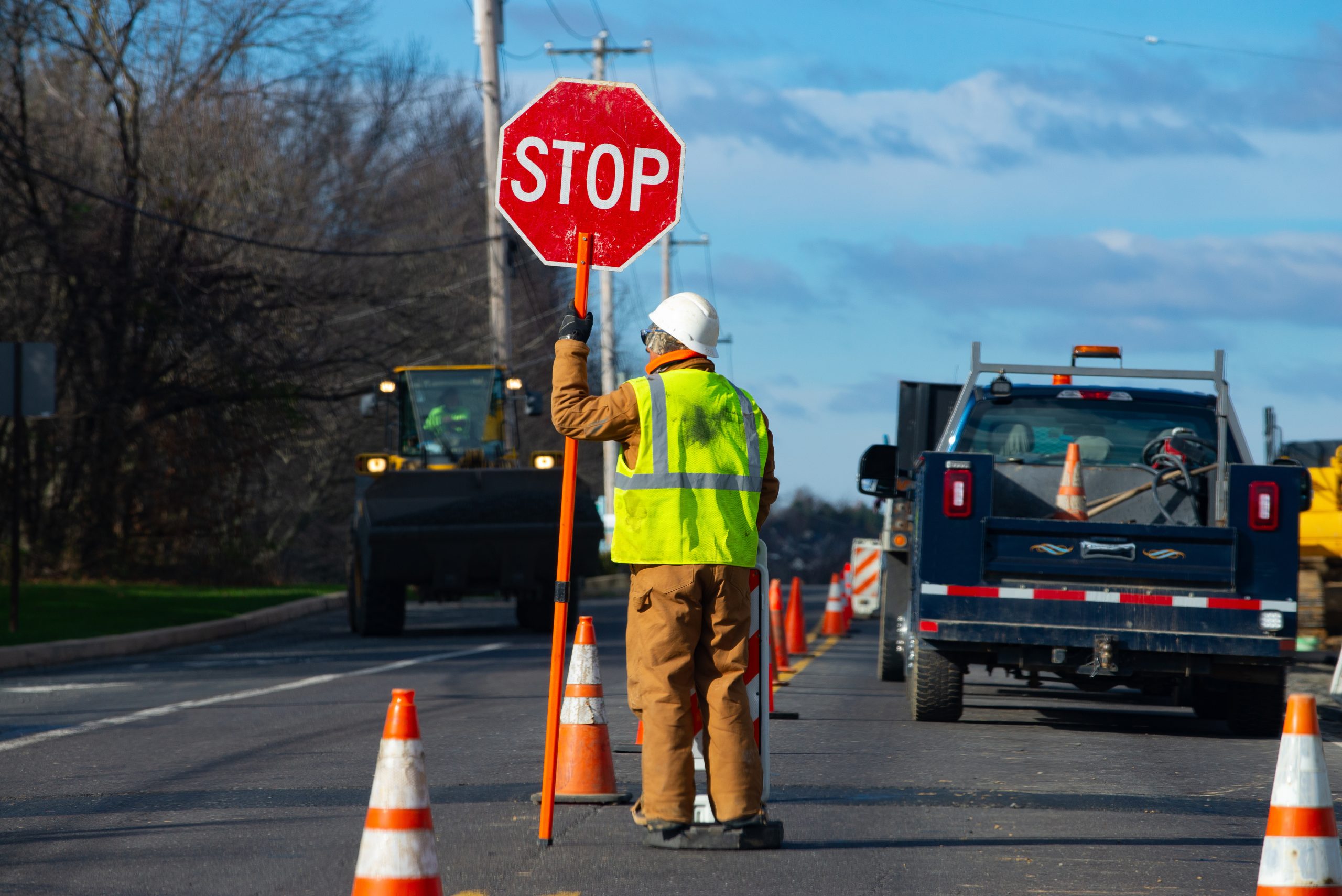
 It is summer in Ontario, which means the pylons are out, the lanes have narrowed, and the speed limit signs have dropped on roads you have driven a thousand times. It also means a lot of drivers are coming home with a construction zone speeding ticket they were not expecting.
If that is you, take a breath. Before you pay the fine and move on, it helps to understand exactly what you are dealing with, because a construction zone ticket is not the same as a regular speeding ticket. The penalties are heavier, the insurance consequences last longer, and the decision you make in the next few days can cost you a lot more than the number printed on the slip.
Here is what you need to know.
Why construction zone tickets go up in the summer
Construction season and enforcement season are the same season. From late spring through early fall, Ontario fills its highways and local roads with active work zones, temporary signage, and reduced limits that can change from one stretch to the next. The Ministry of Transportation, the OPP, and municipal police all increase their focus on these areas during the busy months.
The problem for drivers is that work zones are confusing by design. The limit can drop sharply with little warning. Signage is sometimes new, temporary, or placed where it is easy to miss. You can be driving a familiar route on autopilot and not register that you have entered a designated zone at all. That combination of heavy enforcement and easy-to-miss signage is exactly why construction zone tickets spike once the weather warms up.
 Are construction zone speeding fines higher?
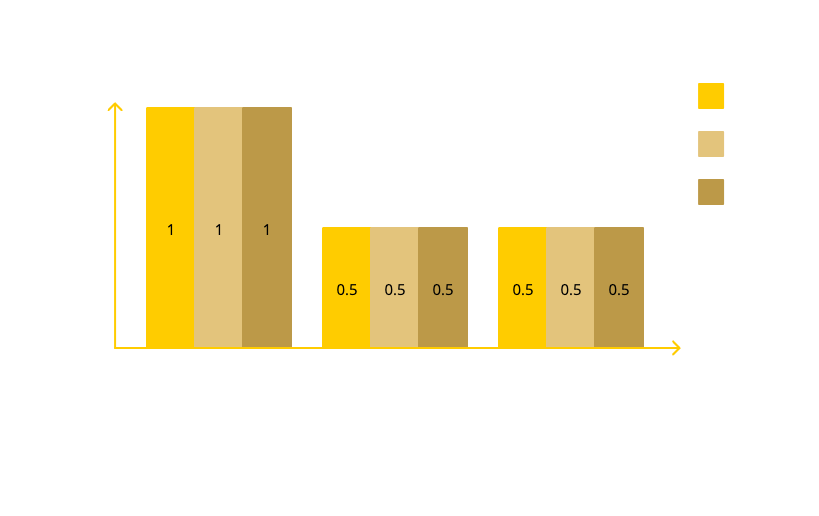
Yes, and the gap is significant. Ontario speeding fines are calculated per kilometre over the posted limit, and in a construction zone that per-kilometre amount can double. The faster you were going over the limit, the more dramatically the total climbs.
To put it in plain terms, the same speed that would cost you a modest amount on an ordinary road can cost you roughly twice as much in a work zone, plus applicable court costs and surcharges. At the higher end, a serious construction zone speed can produce a fine well into the hundreds of dollars before anything else is added. These are among the more expensive everyday traffic convictions a driver can pick up in this province.
Demerit points are applied on the same scale as a regular speeding ticket, based on how far over the limit you were. They do not get cheaper because the offence happened in a work zone, and they matter more than people think. Drivers who reach 9 to 14 points can receive a warning letter and may be called in for an interview. At 15 points, a licence can be suspended. Novice G1 and G2 drivers face much lower thresholds, so a single ticket can put them in real trouble.
Can a construction zone ticket affect your insurance?
This is the part most drivers underestimate. The fine is paid once. The insurance impact repeats, year after year.
A speeding conviction in a construction zone is still a conviction, and it goes on your driving record. When your insurer reviews your abstract at renewal, the conviction is sitting right there as a documented reason to raise your premium. With Ontario rates already climbing, that increase can stack across several renewal periods. A driver who shrugs off a few hundred dollars in fines can quietly pay several times that amount in higher premiums over the next three years without ever connecting the two.
That is the real cost of “just paying it.” The ticket looks like a fixed, one-time number. The insurance consequence is the part that keeps charging you.
What if workers were not present?
This is one of the most common questions we hear, and the answer has two parts that are easy to mix up.
First, the reduced speed limit in a posted construction zone applies whether or not anyone is actively working. The signs are there for road conditions and driver safety too, not only for the crew. So yes, you can still be ticketed for speeding in an empty zone, because you were still over the posted limit.
Second, and this is where it gets useful, the doubling of the fine is generally tied to workers being present. Whether a crew was actually there at the moment you were stopped is a question of fact, not just a label on the ticket. If you were charged with the doubled penalty in a zone that appeared empty, that is exactly the kind of detail worth examining. It does not automatically erase the ticket, but it can be a meaningful issue in how the charge is challenged or reduced.
The same goes for how the zone was signed and marked, where the speed reading was taken relative to the signage, and whether the posted limit was accurate at the time. None of these are things you can sort out by guessing. They come out through the proper process.
Should you fight the ticket or pay it?
The honest answer is that you should not decide either way until you understand what the conviction actually costs you. Paying the ticket is a guilty plea. It locks in the fine, the demerit points, and the conviction on your record, and once it is done it is very hard to undo.
Fighting it does not mean you have to take a day off and argue in court yourself. A licensed paralegal can request disclosure, review the full circumstances of your stop, and work toward the best available outcome. Not every construction zone ticket has grounds for a full withdrawal, but many have grounds for a reduction, which can mean fewer points, a smaller fine, and far less insurance damage. Given how much a conviction can cost over time, that review is usually worth it.
A few simple things help while the details are fresh. Keep the ticket. Write down what happened, including the time of day, the weather, whether the zone looked active, and what the signage looked like. If you have a dashcam, save the footage. Then get advice before you commit to anything.
How XPolice can help
XPolice has been defending Ontario drivers since 2003. The team includes experienced licensed paralegals and former police officers, which means we understand traffic enforcement from both sides of the stop. We do not plead guilty just to shave off a point or two. We review every detail of your charge and use every legal argument available to push for a withdrawal or a reduction.
We handle the court date so you do not have to take time off work, and we keep you informed at every step. Most importantly, we look at the full picture of what a conviction would do to your record and your insurance, not just the fine in front of you.
If you have a construction zone speeding ticket, call before you pay. Contact XPolice for a free consultation and we will review your charge, explain your options, and give you an honest assessment of what we can do.
Call 1-888-XPOLICE (1-888-976-5423). We go to court for you so you do not have to.
FAQ
Are construction zone speeding fines really doubled in Ontario?
The per-kilometre fine can double in a designated construction zone, which makes these among the more expensive speeding convictions in the province. The exact amount depends on how far over the posted limit you were driving.
Do I have to slow down if no workers are present?
Yes. The posted reduced limit applies whether or not a crew is working, so you can still be ticketed in an empty zone. Whether workers were present can, however, be relevant to the doubled fine and is worth having reviewed.
Will a construction zone ticket raise my insurance?
It can. A conviction goes on your driving record, and insurers can use it to increase your premium at renewal. That increase can repeat over multiple years, often costing more than the original fine.
How many demerit points will I get?
Points are applied on the same scale as a regular speeding ticket, based on your speed over the limit. Reaching certain thresholds can trigger a warning letter or a licence suspension, and novice drivers face lower limits.
Should I just pay the ticket to get it over with?
Not before you understand the consequences. Paying is a guilty plea that locks in the fine, points, and conviction. It is smart to have the ticket reviewed first, because many can be reduced.