
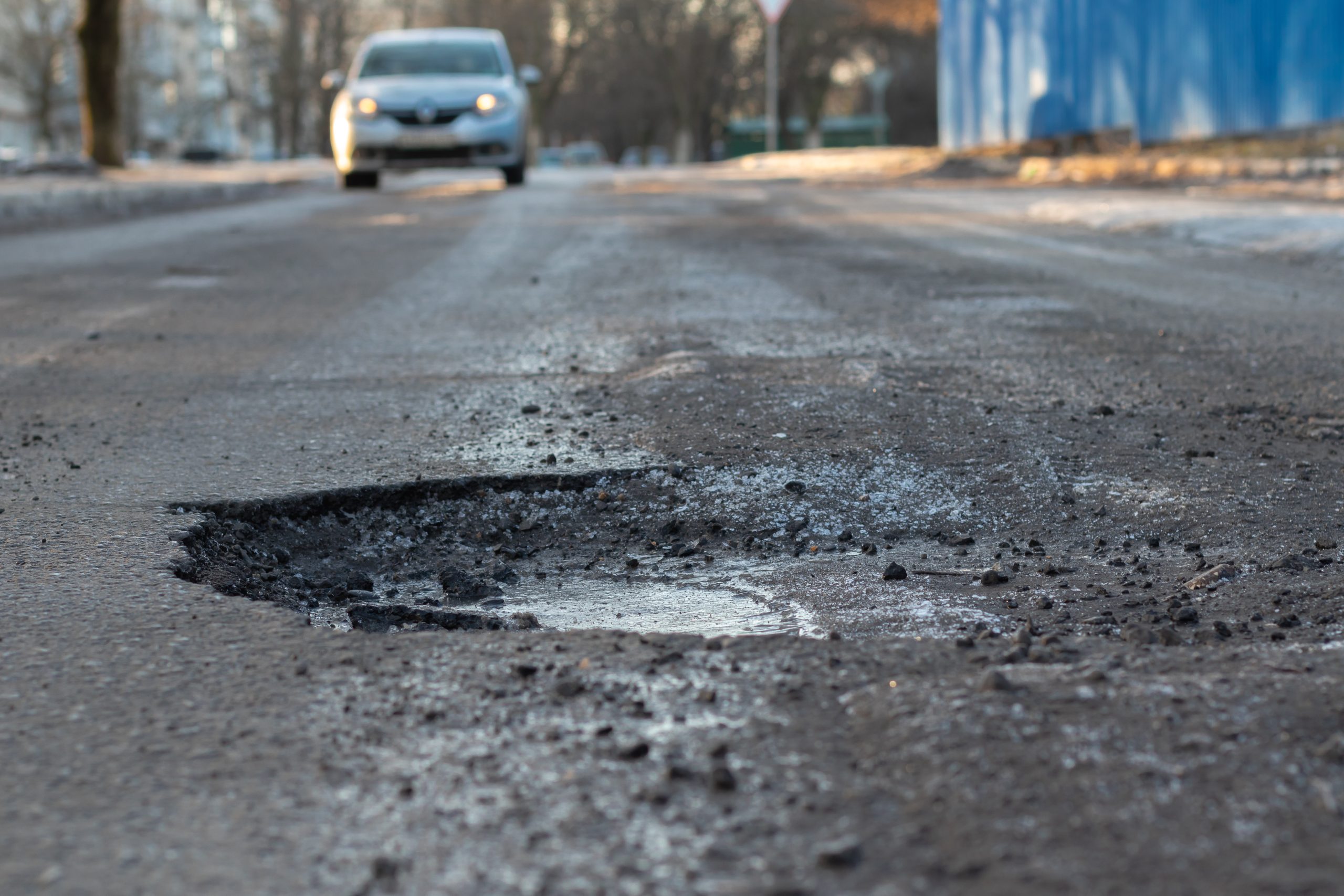
Spring roads in Ontario are rough. One day the pavement looks fine, and the next there’s a pothole big enough you feel it through the entire vehicle. Add wet roads, construction patches, loose gravel, or a sudden swerve to avoid damage, and it’s easy to see how a normal drive can turn into a collision or roadside stop.
If that stop ends with a careless driving charge, a lot of people ask the same thing: can bad road conditions actually help fight the charge? In some cases, they can. The road itself may not excuse everything, but it can absolutely be part of the bigger picture.
What does careless driving actually mean in Ontario?
Careless driving in Ontario is a broad charge. In simple terms, it means the police believe you were not driving with enough care and attention for the situation. That can apply to many different scenarios, which is exactly why these charges are not always as straightforward as they first seem.
A careless driving charge can carry serious consequences. Depending on the situation, that can include fines, demerit points, a possible licence suspension, and long-term insurance problems. For many drivers, it is not just about the ticket. It is about protecting their record and avoiding consequences that follow them long after the stop.
Can poor road conditions help your defence?
Sometimes, yes. Not because a pothole automatically gets you off the hook, but because the full story matters.
If you swerved to avoid a deep pothole, hit loose gravel, reacted to broken pavement, or lost control because the road was in poor shape, those details may matter a lot. The question becomes whether you were truly driving carelessly, or whether you were reacting to a sudden road hazard in a way that was misunderstood afterward.
That is where defence strategy comes in. A police officer may arrive after the fact and look at the result, which could be a collision, damage, or a complaint. But a proper defense looks at what caused everything in the first place. If the road was in bad condition and that played a role, it may help challenge how the incident is being framed.
Why these cases are not always black and white
A lot of people assume that if there was an accident, the careless driving charge must be valid. That is not always true.
Spring driving creates all kinds of unpredictable conditions. Freeze-thaw cycles leave potholes everywhere. Road shoulders break down. Construction starts up again. Water hides damage that is harder to see until it is too late. In those moments, drivers sometimes have to react quickly, and not every sudden movement means someone was being reckless.
That does not mean road conditions are a guaranteed defence. It means the facts matter. If the road was dangerous, poorly maintained, or created a sudden hazard, that may be important to the outcome of the case.
What kind of evidence can help?
If road conditions were part of what happened, evidence matters and the sooner it is gathered, the better.
That can include photos of the pothole or damaged roadway, dashcam footage, witness statements, roadwork signage, weather conditions, or anything else that helps show what the scene was actually like. Even details that seem minor at first can become important later.
The challenge is that road conditions change quickly. A pothole can be filled, construction signage may be moved. Water may dry up. That is why it is important to document everything as soon as possible while the evidence is still there.
What should you do after getting charged?
If you were charged with careless driving after a spring road incident, do not assume your only option is to pay it and move on. Before making any decision, take a step back and gather as much information as you can.
Take photos. Write down exactly what happened while it is still fresh in your mind. Keep the ticket or summons. Make note of any witnesses. If there is dashcam footage or nearby surveillance that could help, try to preserve it early.
Most importantly, get advice before deciding how to respond. A careless driving charge can carry much more weight than many drivers realize, and once you deal with it the wrong way, it may be harder to undo the damage later.

Why legal help can make a difference
Careless driving cases often come down to how the facts are presented. These are not always simple yes-or-no situations. The officer has one version of events, but that does not mean it is the only version that matters.
If poor road conditions played a role, that should be looked at carefully. A strong defence is not just about saying the road was bad. It is about showing how that condition affected what happened, whether the charge fits the facts, and where the prosecution’s case may be open to challenge. In some situations, related issues like general traffic violations, an improper turn, or even allegations of failing to remain may also become part of the bigger picture after a collision or roadside investigation.
For many drivers, the goal is clear: protect your licence, protect your record, and avoid penalties that could have lasting effects.
Contact XPolice
If you were charged with careless driving after hitting a pothole, swerving around a road hazard, or getting into a spring fender-bender, it is worth having the situation reviewed before you make a decision.
Road conditions may not erase a charge on their own, but in the right case, they can become an important part of the defence.
Charged with careless driving in Ontario? Contact XPolice to discuss your options and get clear guidance on what to do next.
FAQ
Can a pothole help fight a careless driving charge?
It can, depending on the circumstances. A pothole or road defect will not automatically cancel the charge, but it may help explain what happened and support a defence.
Is careless driving a serious charge in Ontario?
Yes. It is much more serious than a routine traffic ticket and can affect your record, insurance, and driving privileges.
What if I swerved to avoid road damage?
That may be relevant. If you were reacting to a sudden road hazard, that could become an important part of the facts in your case.
Should I take pictures of the road?
Yes. If the condition of the road played a role, photos and other evidence can be very helpful, especially if gathered right away.
Should I just pay the ticket?
Not before understanding the consequences. Careless driving can carry significant penalties, so it is smart to review your options first.