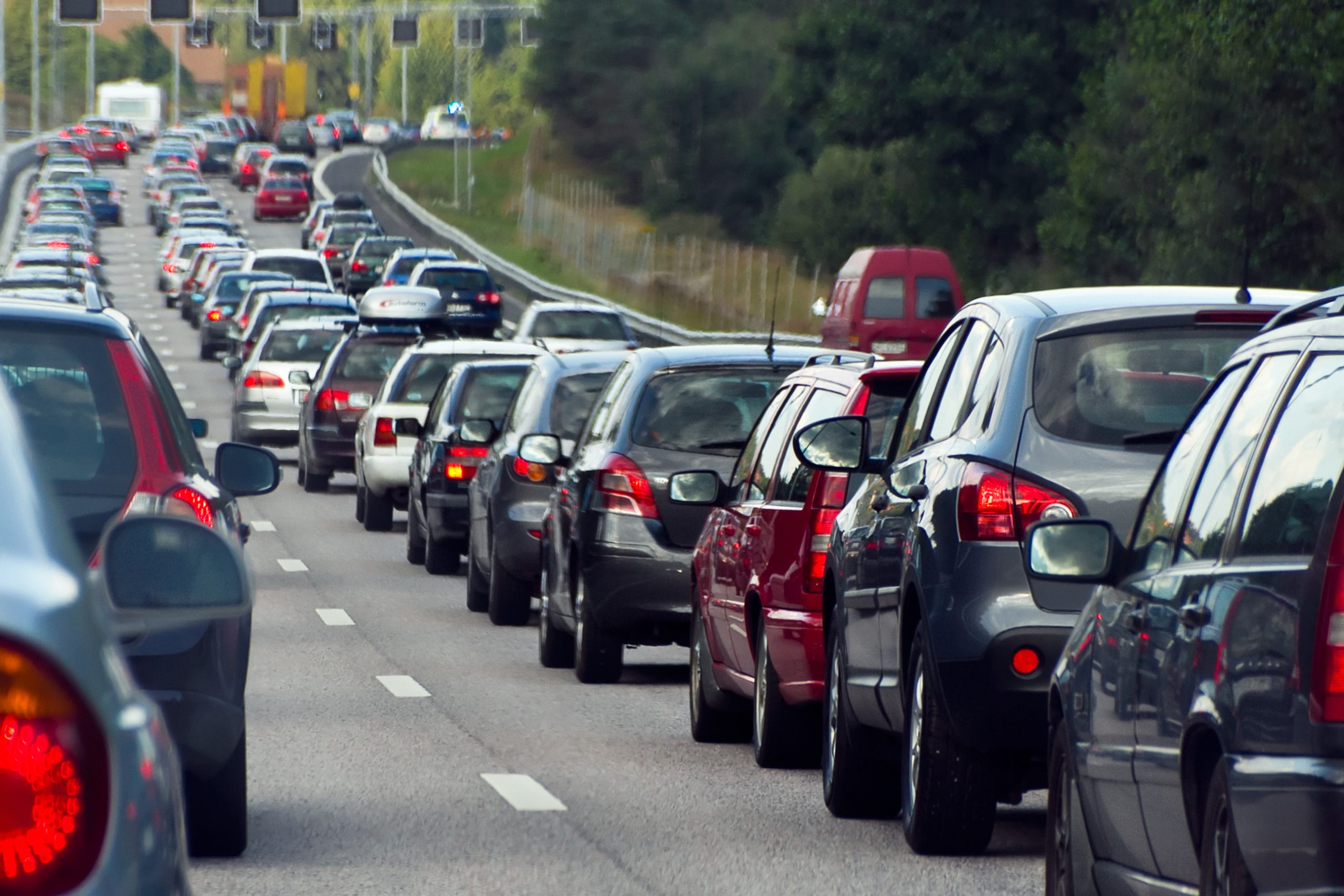
You are on the 401 with a full tank, a full car, and a Thanksgiving dinner waiting at the other end. The sign says 110. Traffic is moving at 125. You go with the flow.
Then you see the lights in your mirror.
Ontario spent the summer raising speed limits across most of its highway network. For many drivers, that feels like good news. Less time in the car. Fewer tickets. More breathing room.
Some of that is true. Some of it is a trap. The higher limit moved the starting point for speeding tickets. It did not change the part that hurts most: what a conviction does to your insurance.
In this post, you will learn what changed, where the stunt driving line now sits, what a ticket in a 110 zone really costs, and what to do if you get stopped this long weekend.
What changed on Ontario highways this year?
Starting June 26, 2026, Ontario began permanently raising the limit from 100 to 110 km/h on more sections of provincial highway. The rollout started on parts of Highways 401 and 416 in eastern Ontario. It then moved to sections of the QEW and Highways 400, 401, 402, 403, 416 and 417.
The province scheduled the rollout to finish by September 30, 2026. Once complete, nearly 89 per cent of the provincial highway network is posted at 110 km/h. Before this rollout, that figure was 43 per cent.
Here is what that means for you:
- Most of your highway driving now happens in a 110 zone. If you drive the 400-series often, expect 110 unless a sign says otherwise.
- Not every section changed. Some stretches stay at 100. Construction zones, interchanges, and urban sections can drop lower. The posted sign is the only limit that counts.
- Enforcement did not relax. Long weekends like Thanksgiving remain some of the most heavily patrolled days of the year.
Does a higher limit mean you can drive faster without a ticket?
No. It means the ticket starts at a higher number.
Driving 120 in a 110 zone is still speeding. It is 10 km/h over. It carries no demerit points. But if you pay it, it is still a conviction.
That difference matters more than most drivers realize. Demerit points sit on your Ministry record. Your insurer looks at something else. Insurers look at convictions. A zero-point speeding conviction can still show up at renewal time and still cost you money.
For the full picture, read our guide on how demerit points work in Ontario. The short version: zero points does not mean zero consequences.
There is also a habit trap here. Many drivers treated 120 as the unofficial ceiling in a 100 zone. In a 110 zone, that same habit becomes 130. Your personal buffer moved up with the limit. So did the speeds police are clocking.
Where is the stunt driving line in a 110 zone?
This is the part drivers get wrong most often.
In Ontario, you can be charged with stunt driving for excessive speed if you drive 50 km/h or more over the limit on a road posted at 80 km/h or higher. On roads posted below 80, the threshold is 40 km/h over.
That threshold did not change when the limits went up. So in a 110 zone, the stunt line is now 160 km/h.
That may sound like plenty of room. It is less than it seems. On an empty stretch of highway at night, a modern car can reach 160 without feeling fast at all.
And the consequences start before you ever see a courtroom:
- An immediate roadside licence suspension of 30 days.
- Your vehicle impounded for 14 days, even if someone else owns it.
- A court summons, not a ticket you can pay online.
- On conviction, a fine of $2,000 to $10,000, six demerit points, and a licence suspension that can last for years.
A stunt driving charge that ends in a conviction is one of the most serious entries a driving record can carry. Many drivers find they cannot get standard insurance at all afterward.
What does a speeding ticket in a 110 zone really cost?
The fine on the ticket is the smallest number in this story.
Here is the math on paper. These are set fines before the victim fine surcharge and court costs are added.
Those numbers look manageable. That is exactly the problem. They are designed to make paying feel like the sensible choice.
Now look at the other side. A speeding conviction typically affects your insurance for about three years. If your premium rises even a modest amount each year, the total climbs into the thousands. Stack two convictions together and the increase can be much steeper.
We broke down the real math on what a conviction costs in a recent post. The pattern never changes. The fine is a one-time cost. The insurance increase keeps billing you.
What should you do if you get pulled over this long weekend?
Stay calm. The roadside is not the place to win your case. It is the place to avoid making it worse.
- Pull over safely and turn on your hazard lights.
- Keep your hands visible. Hand over your licence, ownership, and insurance when asked.
- Be polite, and keep it short. You do not need to say how fast you think you were going. “I understand” is enough.
- Do not argue the number. Radar and laser evidence gets tested in court, not on the shoulder of the 401.
- Write down the details once you are safely parked. Note the location, time, weather, traffic, and anything the officer said about howyour speed was measured.
- Do not pay the ticket. Paying is a guilty plea. You have 15 days to choose an option, and that time is best used getting advice.
If you have never contested a ticket, it helps to know what to expect at traffic court. Most of our clients never have to attend at all.
How XPolice can help
Our team includes licensed paralegals and former police officers. We know how speed enforcement works from both sides of the radar gun.
When you call, we:
- Review the ticket and the exact charge laid.
- Request disclosure, including the officer’s notes and device records.
- Check how your speed was measured, whether the device was tested, and whether the ticket was completed properly.
- Appear in court for you, so you can stay at work.
Our goal is not to shave a few points off the ticket. We work to have the charge withdrawn or dismissed so it never reaches your insurance record. When you need to fight a speeding ticket, that is the standard you should expect.
The Bottom Line
The new 110 km/h limits make highway trips faster. They do not make speeding tickets cheaper in the ways that count.
- A ticket with zero points is still a conviction your insurer can see.
- The stunt line in a 110 zone is 160 km/h, and the penalties start at the roadside.
- The fine is small on purpose. The insurance increase is where the real cost lives.
Got a ticket this Thanksgiving? Call Before You Pay. Reach XPolice at 1-888-XPOLICE (1-888-976-5423) for a free consultation.
Frequently Asked Questions
Is every Ontario highway now 110 km/h?
No. Most provincial highways are, but some sections remain at 100 km/h, and construction zones and interchanges can be lower. Always follow the posted sign.
Does going 10 over in a 110 zone affect my insurance?
It can. A ticket for 10 km/h over carries no demerit points, but paying it creates a speeding conviction. Insurers rate drivers on convictions, not points.
If I’m charged with stunt driving, can I just pay the fine?
No. Stunt driving comes with a court summons, so you cannot pay it online. It also brings an immediate roadside suspension and impoundment, so getting advice early matters.